



How Can a Knitted Tank Top Help You Stay Cool and Comfortable in Hot Weather?
Why a Knitted Tank Top Is the Smart Choice for Hot Weather
When temperatures climb and humidity rises, the clothing you choose becomes one of your most practical tools for staying comfortable. A knitted tank top is specifically constructed to address the core challenges of dressing in the heat: excess body warmth, restricted airflow, and the discomfort of moisture sitting against the skin. Unlike woven fabrics, knitted textiles are produced by interlocking loops of yarn, and it is this loop structure that gives a knitted tank top its defining thermal advantages. The open network of interlocked stitches creates countless microscopic air channels throughout the fabric, allowing warm air to escape from the body surface while fresh air circulates inward. This passive ventilation effect works continuously — without any mechanical assistance — simply because of the way the fabric is built.
Beyond breathability, a knitted tank top offers a sleeveless silhouette that eliminates the main areas where heat accumulates in sleeved garments: the underarms and upper arms. These areas are rich in sweat glands and generate significant heat during physical activity or prolonged sun exposure. By removing sleeve coverage entirely, the tank top design maximises skin surface area available for natural evaporative cooling — the body's own most effective heat management mechanism. The result is a garment that works with your physiology rather than against it, making the knitted tank top one of the most practically engineered warm-weather clothing items available.
How Knit Structure Affects Breathability and Cooling Performance
Not all knitted tank tops are equal in their ability to manage heat. The specific knit structure used in construction has a direct and measurable effect on airflow, moisture movement, and the overall feel of the garment against skin. Understanding the differences helps you choose a tank top that genuinely performs in hot conditions rather than simply appearing lightweight at first glance.
Rib Knit
Rib knit is produced by alternating columns of knit and purl stitches, creating a vertically ridged surface with excellent two-way stretch. Ribbed tank tops fit close to the body, which keeps the fabric in contact with the skin for efficient moisture wicking, while the raised ribs create small air channels running vertically along the torso. This structure is ideal for athletic and active hot-weather wear because the stretch accommodates movement without the garment lifting away from the body or bunching. Classic ribbed cotton tank tops — sometimes called A-shirts or muscle tanks — use this construction and remain a benchmark for everyday summer comfort.
Pointelle Knit
Pointelle knit incorporates deliberately dropped or transferred stitches to create small, decorative eyelet holes distributed evenly across the fabric face. These eyelets are not merely aesthetic — each one is a direct aperture through the fabric that allows warm air to escape and cool air to enter. Pointelle tank tops are among the most breathable knitted garments available precisely because the fabric's open structure dramatically increases its air permeability compared to a standard jersey or rib knit. The delicate appearance of pointelle also makes it appropriate for casual daywear and smart-casual occasions, extending its usefulness beyond purely athletic contexts.
Jersey Knit
Single jersey is the most widely used knit construction for tank tops due to its flat, smooth face, soft hand feel, and moderate breathability. Jersey tank tops drape fluidly, which allows the fabric to move away from the body as the wearer moves, intermittently creating air gaps that release trapped heat. The smooth surface also reduces friction against skin compared to textured knits, which is particularly relevant during high-perspiration activities where chafing becomes a concern. Jersey tank tops made from fine-gauge yarn feel lighter and more breathable than those made from heavier yarn, so checking the fabric weight in grams per square metre (GSM) — ideally 120–160 GSM for hot weather — is a useful guide when selecting between options.
The Best Fibre Choices for a Hot-Weather Knitted Tank Top
Knit structure determines how air moves through a tank top, but fibre composition determines how moisture is handled once the fabric becomes damp with perspiration. In hot weather, these two properties together define whether a garment feels cooling and refreshing or heavy, clingy, and uncomfortable.
| Fibre | Moisture Handling | Feel Against Skin | Best Use |
| Cotton | Absorbs moisture; slow to dry | Soft, natural, non-irritating | Casual everyday wear, low activity |
| Linen-Cotton Blend | Absorbs and releases moisture faster than pure cotton | Slightly textured, cool to touch | Daywear, travel, outdoor dining |
| Bamboo Viscose | High moisture absorption; dries faster than cotton | Silky, very soft, thermoregulating | All-day wear, sensitive skin |
| Polyester Moisture-Wicking | Wicks moisture to surface; dries very quickly | Smooth, lightweight, less natural | Sport, gym, high-intensity activity |
| Merino Wool (fine gauge) | Absorbs up to 30% of own weight; naturally odour-resistant | Fine, soft, non-itchy | Travel, variable temperature days |
Cotton remains the most popular fibre for everyday knitted tank tops because of its softness, accessibility, and skin-friendly properties. However, in conditions of intense heat or during physical activity, cotton's slow drying time means perspiration-soaked fabric stays damp against the skin for extended periods, which can become uncomfortable and cause chafing. For active hot-weather use, polyester moisture-wicking blends or bamboo viscose tank tops offer a superior combination of breathability and rapid moisture dispersal.
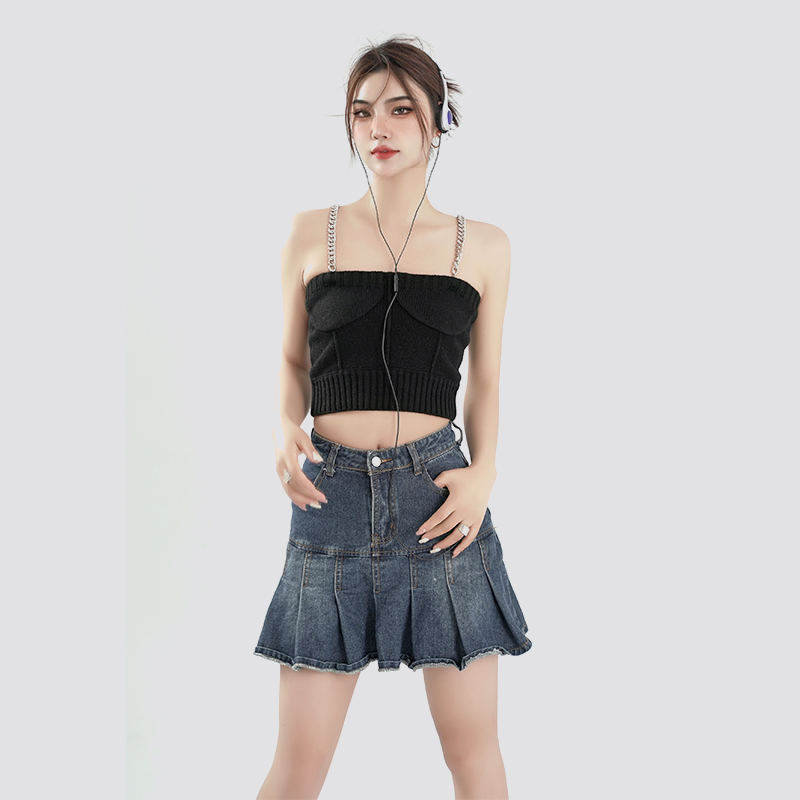
Choosing the Right Fit for Maximum Hot-Weather Comfort
The fit of a knitted tank top plays a surprisingly significant role in its thermal performance. Both excessively tight and excessively loose fits can reduce a tank top's effectiveness in hot weather, but for different reasons. Understanding the fit spectrum helps you choose a tank top that combines comfort with genuine cooling function.
Close-Fit Tank Tops
A close-fit or body-skimming knitted tank top maintains consistent contact between the fabric and skin. This maximises the rate at which the fabric can absorb and transport perspiration away from the skin surface, which is particularly beneficial during exercise when sweat generation is continuous. Close-fit tank tops also stay in position during movement, preventing the fabric from riding up or bunching under outer layers. The trade-off is that a very tight fit can compress the knit structure, reducing its air permeability — so look for close-fit tank tops made from a high-stretch knit (at least 50% four-way stretch) that maintains its open loop structure even when fitted to the body.
Relaxed and Oversized Fit Tank Tops
A relaxed or oversized knitted tank top creates space between the fabric and the skin, allowing air to circulate freely in the gap. This is a highly effective passive cooling mechanism — the moving air layer carries body heat away from the skin surface and replaces it with cooler ambient air, much like a gentle breeze. Relaxed-fit tank tops are particularly effective in dry heat environments where humidity is low and evaporation is rapid. In high-humidity conditions, however, the air gap can trap humid air against the skin if the garment is very loose, which reduces the cooling effect. A moderately relaxed fit — neither sculpted nor excessively baggy — often provides the best balance for general hot-weather wear across different humidity levels.
Styling a Knitted Tank Top for Hot-Weather Occasions
One of the practical strengths of the knitted tank top as a hot-weather garment is its versatility across different settings. A single well-chosen piece can transition between casual, smart-casual, and active contexts simply by changing what it is paired with.
- Beach and outdoor leisure: A loose-fit pointelle or cotton jersey tank top worn over a swimsuit works as a breathable cover-up that provides sun protection for the torso while remaining cool enough to wear in direct sunlight. Light neutral or pastel colours reflect rather than absorb solar radiation, keeping the fabric surface temperature lower.
- Casual city wear: A fitted ribbed tank top tucked into wide-leg linen trousers or a midi skirt creates a put-together warm-weather outfit. The structured rib texture elevates the tank top beyond basic underwear territory, making it appropriate for shopping, outdoor dining, and social occasions without requiring an additional layer.
- Gym and active wear: A moisture-wicking polyester or bamboo blend tank top in a close fit performs well for running, yoga, cycling, and gym training in hot conditions. Racerback armhole designs cut further into the shoulder, removing even more fabric from the upper back and maximising shoulder mobility and ventilation simultaneously.
- Layering base: In air-conditioned environments where indoor temperatures vary dramatically from outside heat, a fine-gauge knitted tank top worn under a lightweight shirt or open-front kimono jacket provides a breathable inner layer. When moving outdoors, the outer layer can be removed, and the tank top alone handles the heat.
- Smart-casual evenings: A fine-knit bamboo or merino tank top in a solid colour paired with tailored shorts or evening trousers and minimalist jewellery achieves a refined warm-weather look appropriate for restaurant dining or rooftop social events where a more casual but thoughtful appearance is expected.
Practical Care Tips to Maintain Performance in the Wash
Hot-weather garments are washed more frequently than cold-weather pieces, and repeated laundering is the primary cause of premature deterioration in knitted tank tops. Preserving the knit structure — the very feature that gives the tank top its breathability — requires washing practices that prevent fibre damage and loop distortion.
- Wash in cool or warm water (30°C maximum): Hot water causes cotton and bamboo fibres to shrink and can break down the elastane content in stretch knits, permanently reducing the fabric's ability to return to its original shape after stretching.
- Use a gentle or delicate cycle: High-agitation wash cycles physically stress the interlocked yarn loops in knitted fabric, causing pilling on the surface and progressive thinning of the fabric at stress points such as armhole edges and side seams.
- Avoid tumble drying on high heat: The most common cause of knitted tank top shrinkage is tumble drying at high heat. Air drying flat — not hung — prevents both heat damage and gravity-induced stretching of the neckline and hem.
- Turn inside out before washing: This simple step protects the outer surface of the knit from abrasion against other garments in the wash, reducing pilling and preserving the fabric's original texture and appearance through many more wash cycles.
- Use a mesh laundry bag for delicate knits: Pointelle and fine-gauge jersey tank tops benefit from the protection of a mesh bag, which prevents the open knit structure from snagging on zips, hooks, or rougher fabrics in the same load.
Selecting a knitted tank top with the right combination of knit structure, fibre type, fit, and colour for your specific hot-weather needs — and maintaining it correctly through regular washing — means you can rely on the same piece for multiple seasons without sacrificing the breathability and comfort that make it effective in the heat. In a well-built wardrobe for warm climates, the knitted tank top is not a seasonal throwaway item but a precision hot-weather tool worth choosing carefully.
Táirgí Molta
-
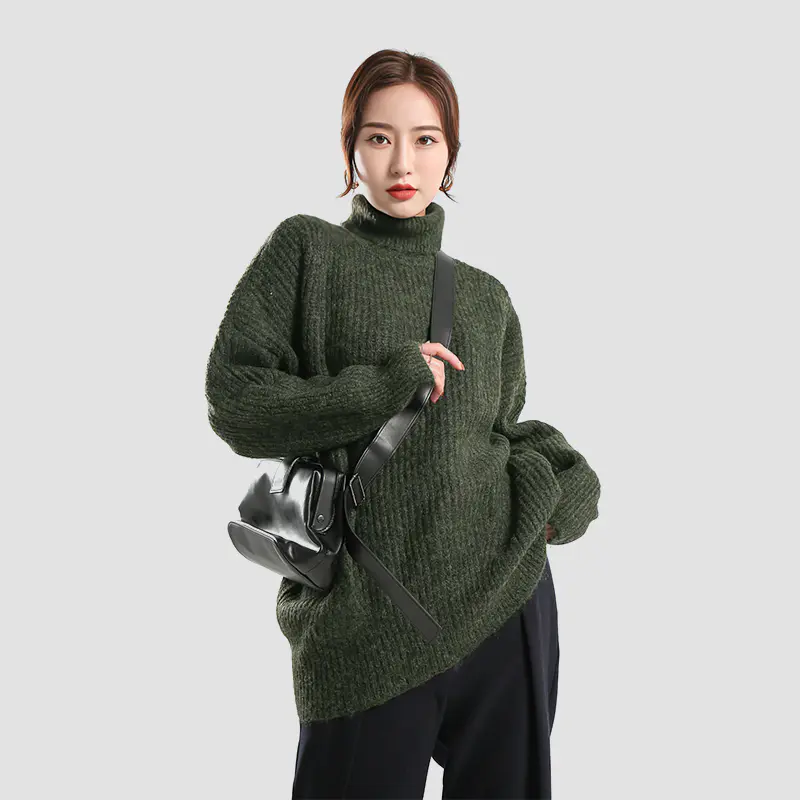
Geansaí Olann Dorcha Uaine le mothú láimhe Cashmere
-
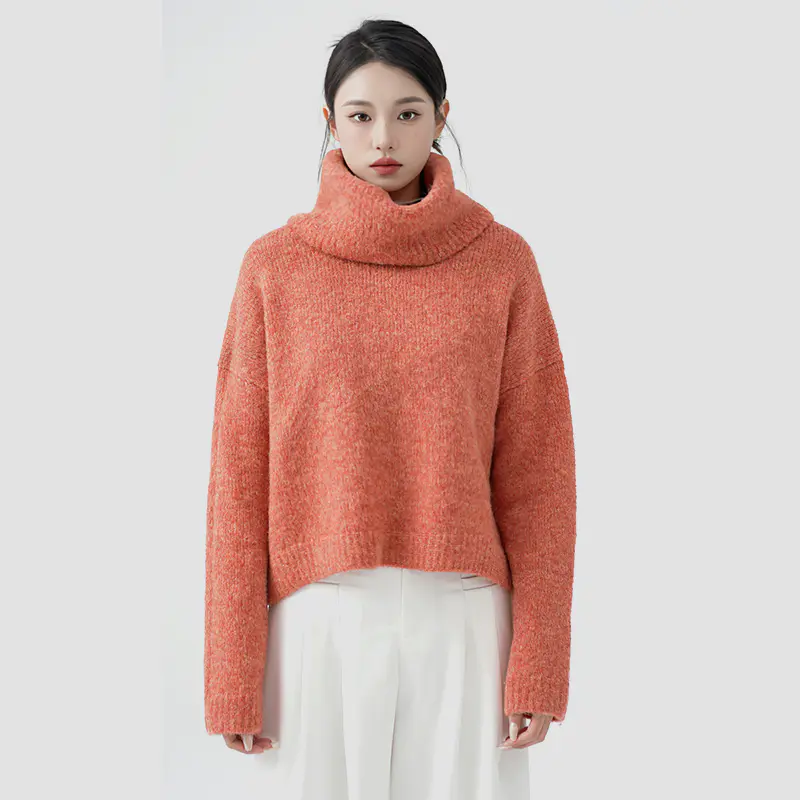
Oráiste geansaí Pullover Muineál Scaoilte
-
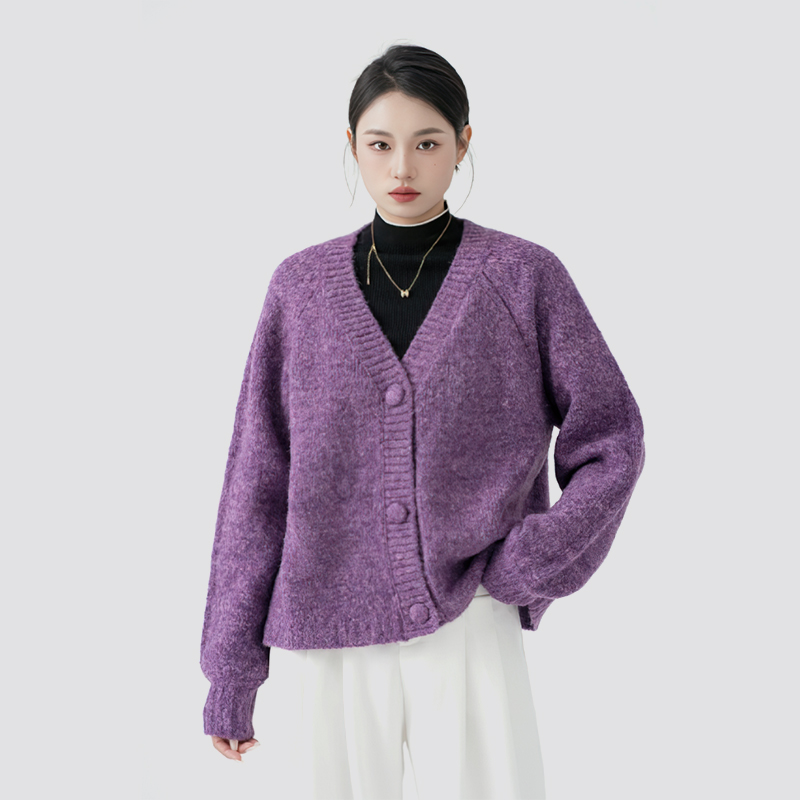
Cardigan Corcra rómánsúil
-
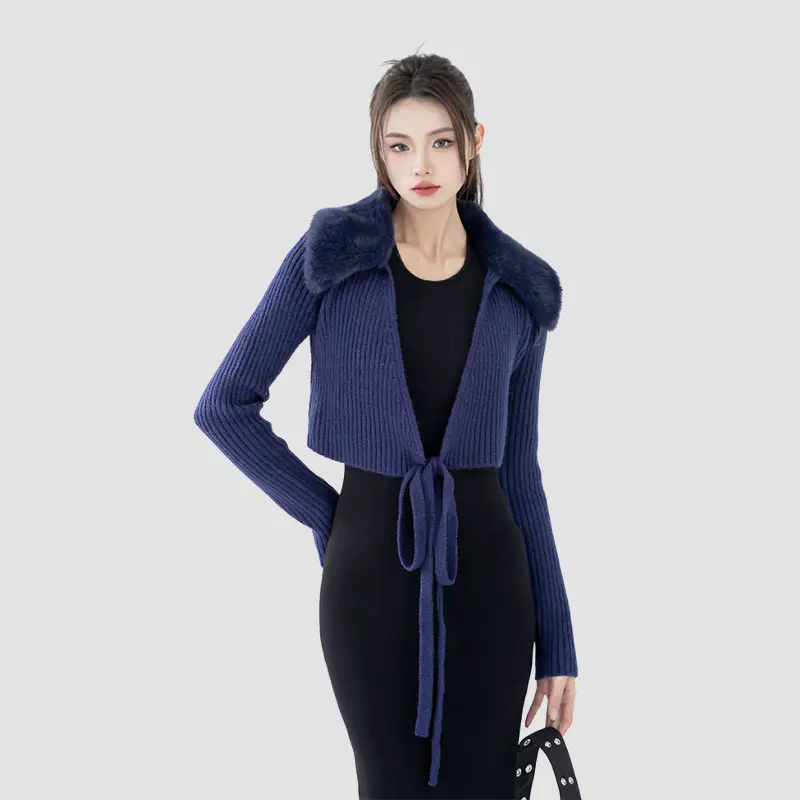
Cardigan Lása Fur Lapel
-
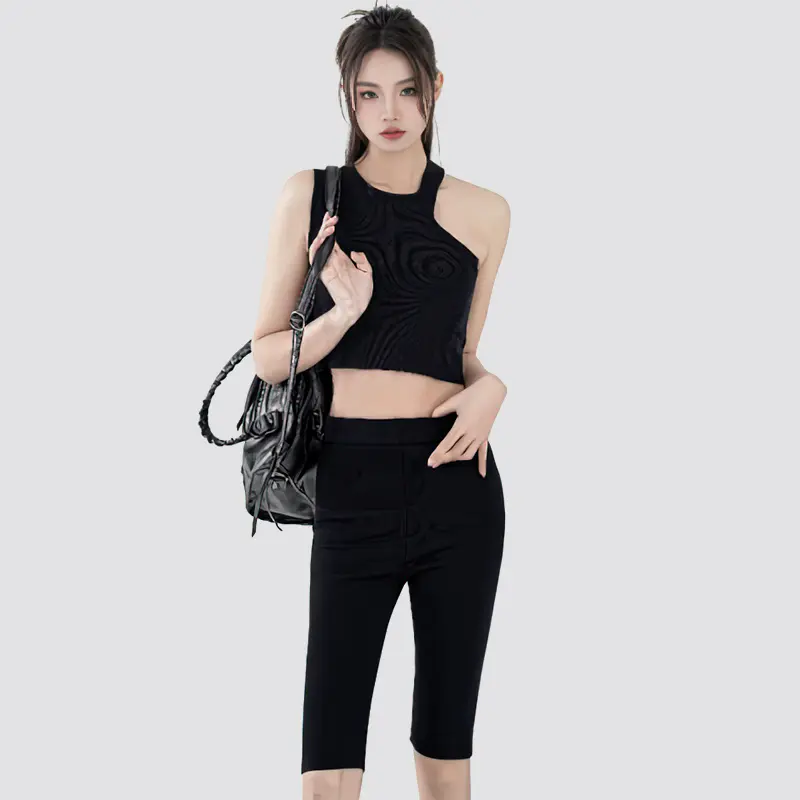
Gearr Amach Cniotáilte Umar Barr
-
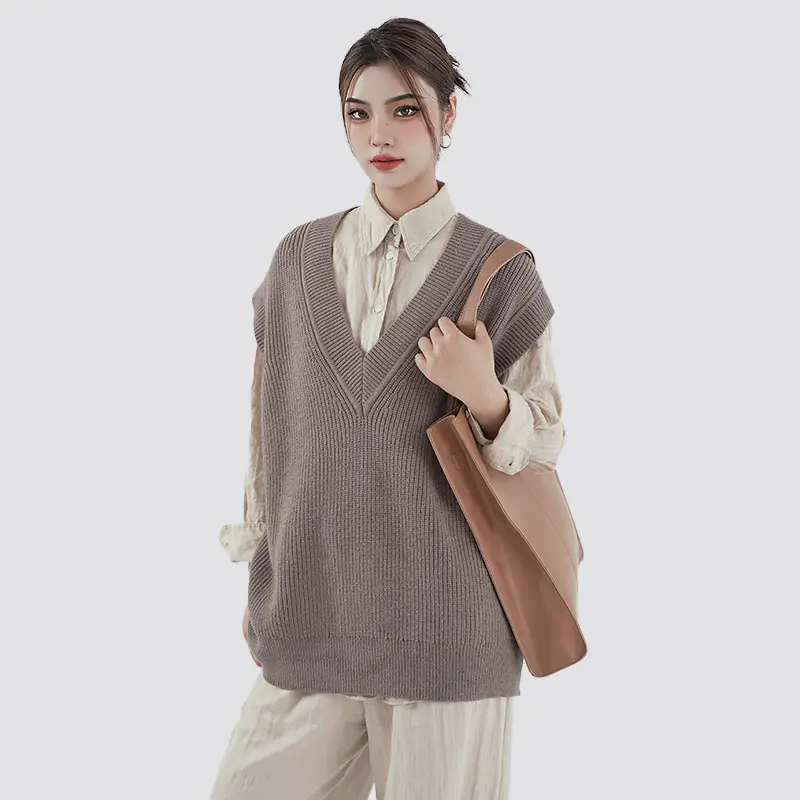
Barr umar Cniotáilte V-mhuineál
-
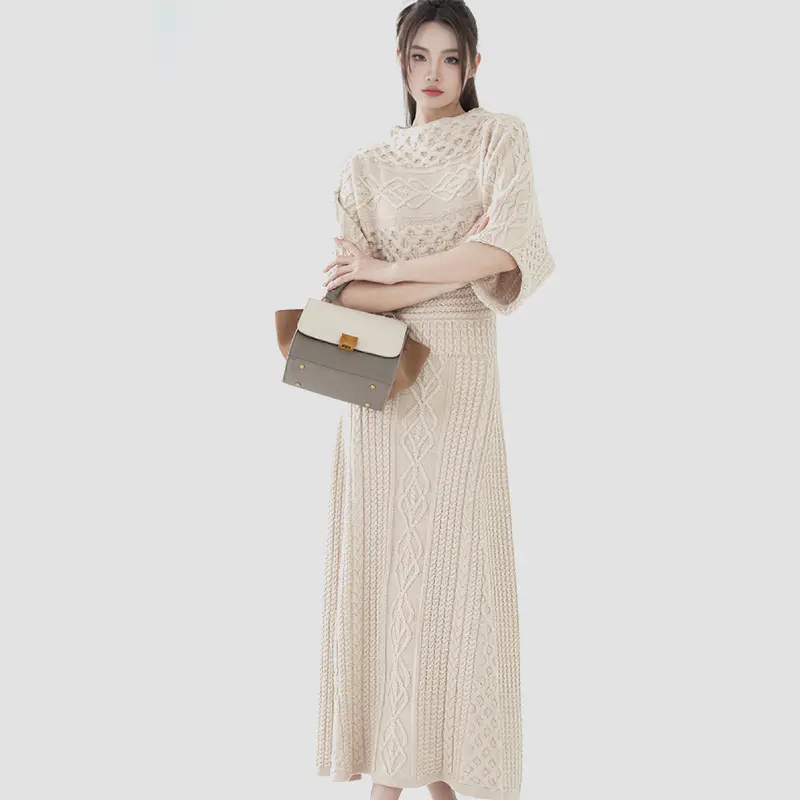
Gúna geansaí swing le waist nipped
-
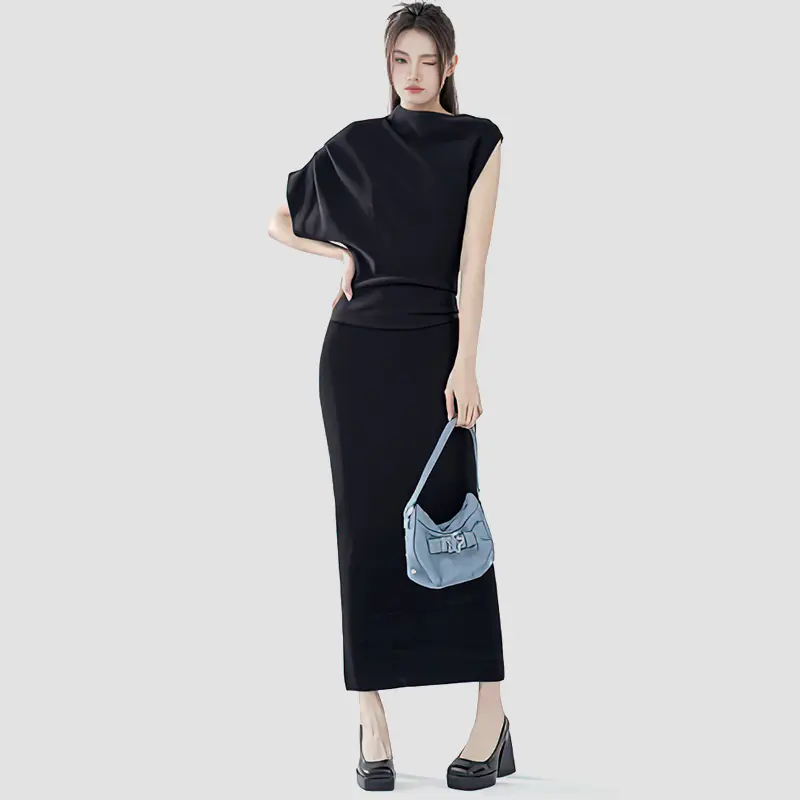
Gúna Fada cniotáilte Neamhshiméadrach Stylish
-
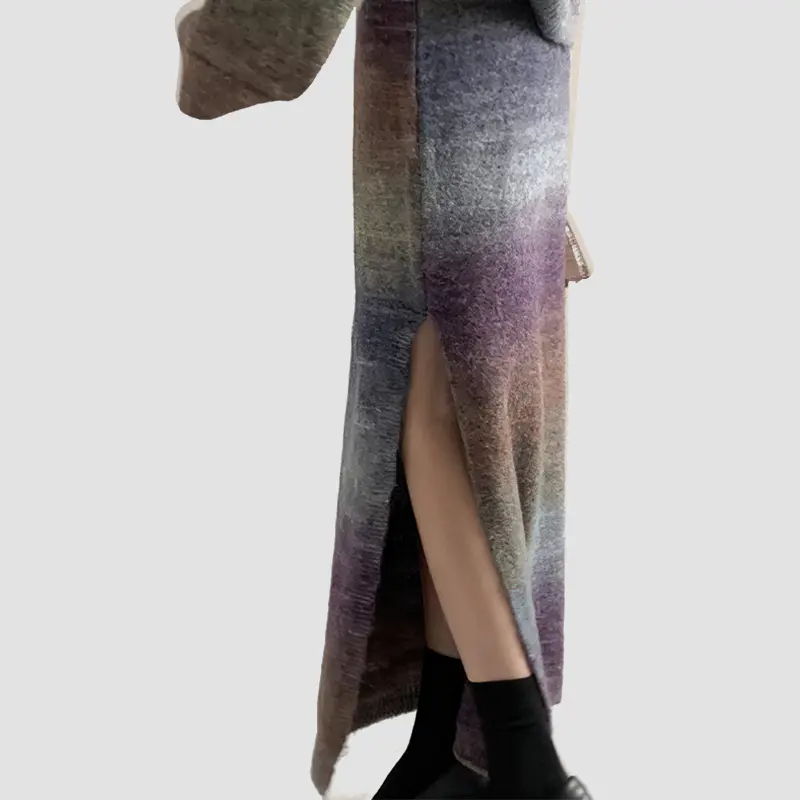
Sciorta Leathfhad Scoilte Dath Grádán
-
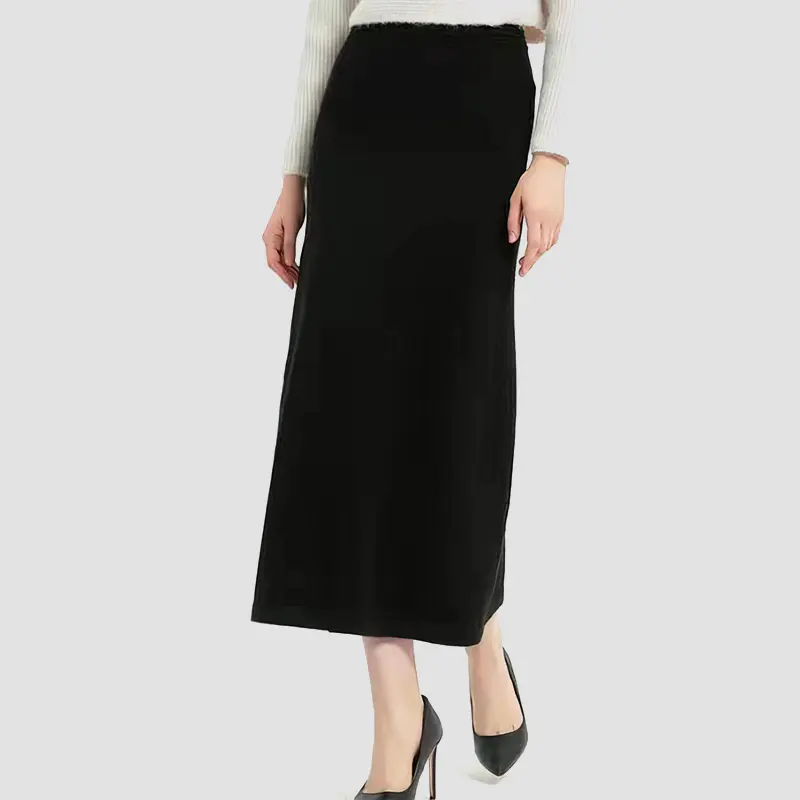
Sciorta A-líne Dubh
-
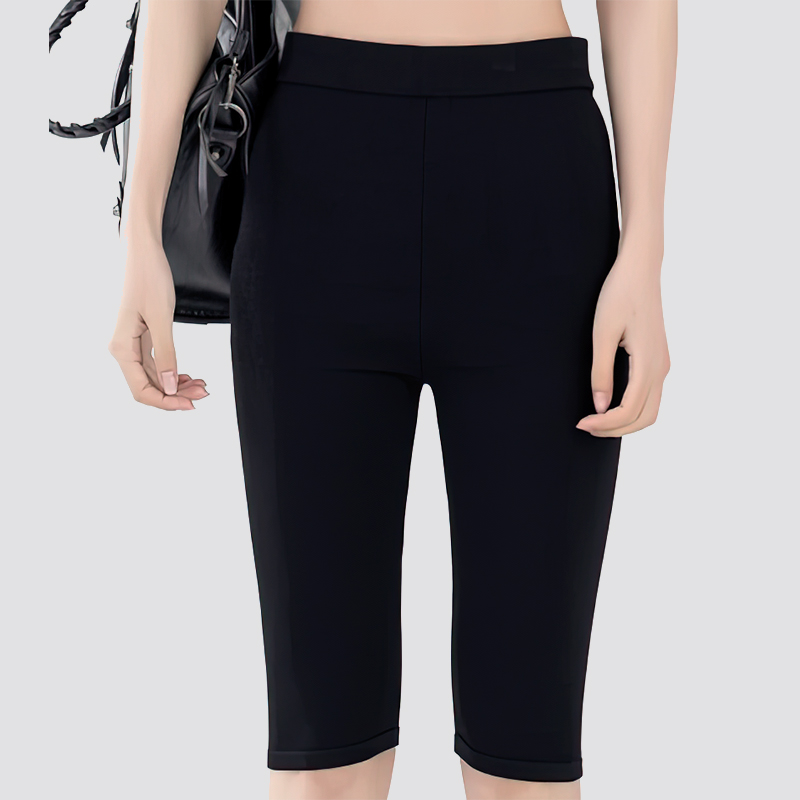
Luiteoga Slimming Síoda Thin Oighear
-
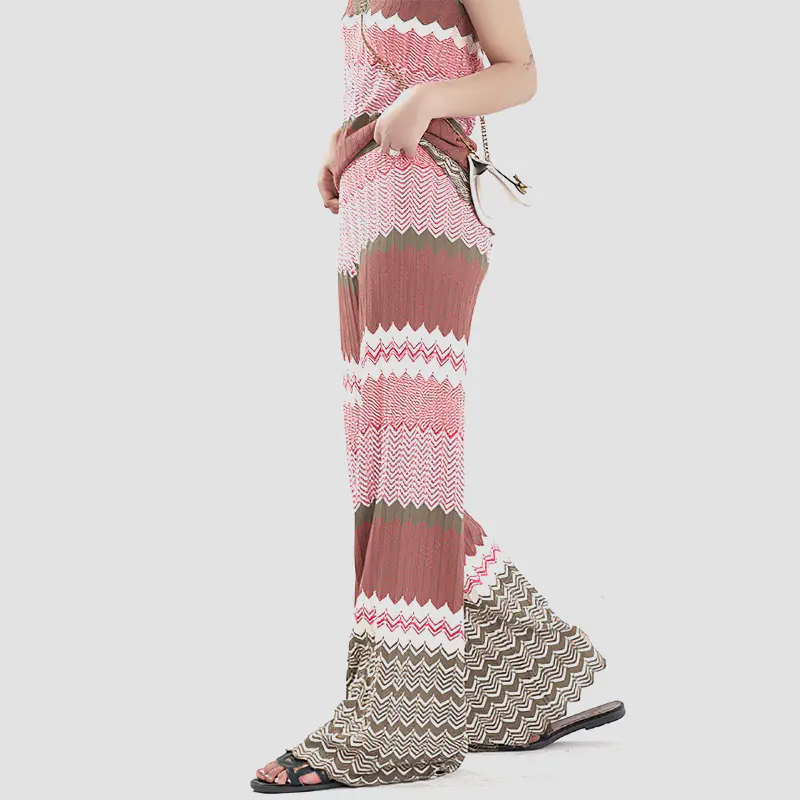
Pants Loose Striped Draped
-

Tel: +86-13913661100
-

Email: frank@sofiafashion.com
-

Add: Uimh.886, Bóthar Minfeng, Sráid Xushi, Baile Dongbang, Changshu, Jiangsu, an tSín
© 2023 Grúpa Sóifia. All rights reserved
